
Calendar for Wineries
North America
(page under construction - Thank you)
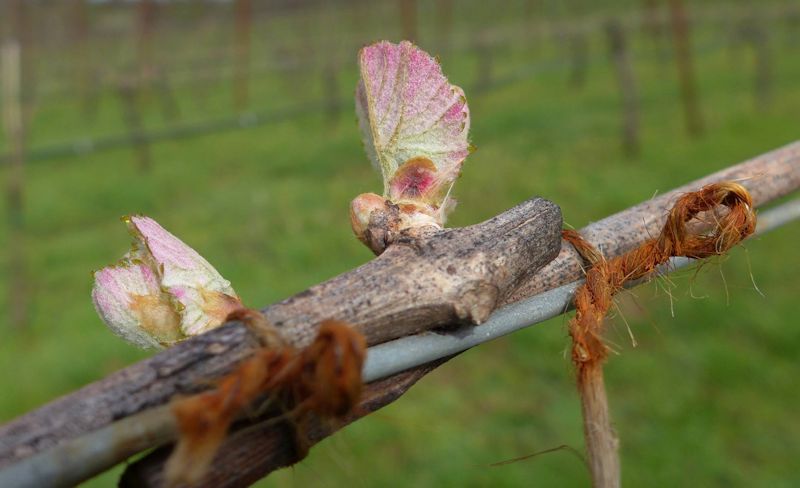
Pinot Noir Bud early Spring
| MONTH | ||
| January | Caring for the barrels of wine. Barrel bungs to be wiped with a solution of sulphur dioxide. Bottling of Older wines | The Pruning of the Vines. Vines can survive -18 C |
| February | The Racking of the new wine into new barrels | Finish pruning and take cuttings for grafting. Machine preparation |
| March | Continue Racking and finish bottling | The vines begin to emerge from dormancy. Tend to soil; aerate it and uncover bases of the vine |
| April | Topping is important - there must never be empty spaces in the cask. About 5% of the wine is lost in evaporation | Vineyard clean up continues, stakes are checked and replaced if needed. Plant one year old cuttings from nursery. pruning! |
| May | Working on Customer orders. The second racking of Lees | Frost danger is high and the vines must be watched through the night. Working of the soil, weed control. Removing of unwanted suckers |
| June | Continue the on going preservation of the wine | The vines begin to flower, shoots are thinned and the best ones are tied to the wire |
| July | Protecting the wine from the heat is the main concern. Bottling of the wine. Customer relations. Tourism is an important part of many Canadian Wineries | Continuous care of vines and soil. Third cultivation of soil |
| August | Inspect and clean vats and casks | Ensure equipment is ready for harvest. Weeding and care of vines continues. |
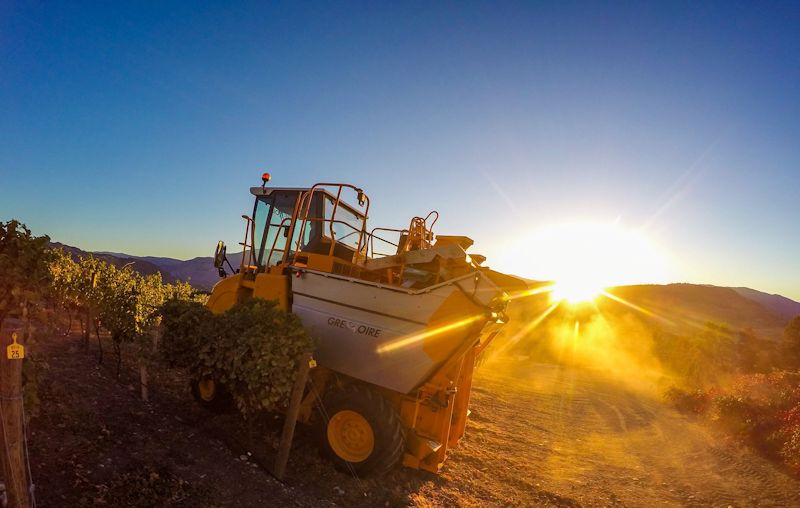
| September | Prepare the winery for the arrival of the grapes | Vintage! Protect the grapes. Keep vines trimmed. Watch for the perfect moment to pick the grapes |
| October | New wine is fermenting. Year old wine given a final racking. The turning of the barrels. Moving barrels to make room for the new wine | Harvesting continues until finished. Soil is fertilized and deep ploughed |
| November | Winemaker makes key decisions on his wine process. Final preparation steps are taken. A final racking of the wine is done | Place soil over base of vines to protect them against the cold. Cut off the long vine shoots |
| December | Casks must be topped up frequently. watching and controlling fermentation Bottling of the old wine. Tastings of the new | Icewine Starting over again |
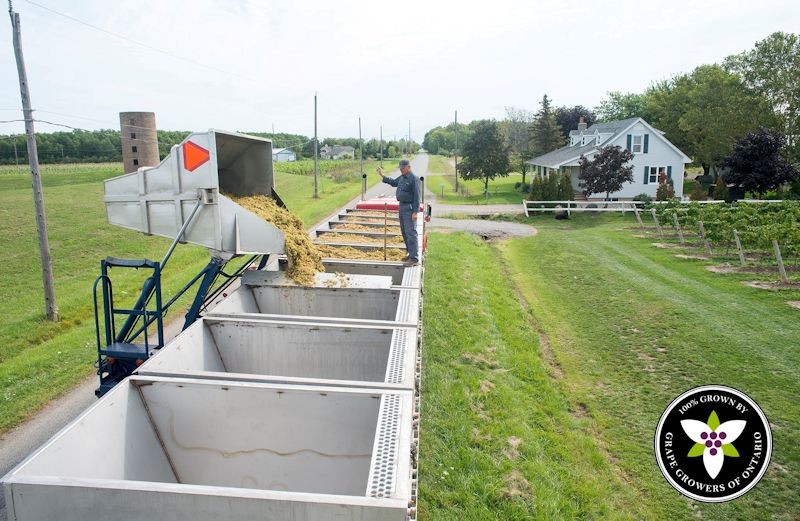
Through out the year wineries must promote and sell their wines. They often do various events around the province or beyond. They may even host events at their winery. In many cases the winery needs to seek grapes from other vineyards. So not only are they sellers of wine they are also buyers of grapes.
Information welcome by winemakers and vineyard managers
Home | Site Map | Gallery | New |Contact Us | ©2019 Robert A Bell